

Platinum Play casino Plinko
Introduction
I look at a lot of casino content, and Plinko is one of those formats that seems almost too simple at first glance. A ball drops from the top of the board, hits a field of pegs, changes direction again and again, and finally lands in a slot with a set multiplier. That is the entire visual idea. Yet on a real money page like Platinum play casino Plinko, the experience is more layered than the interface suggests.
For players in New Zealand, this matters because Plinko sits in a very different space from classic online slots, table Platinum Play Casino games review with payment and login details, or even crash-style products. It is fast, visually transparent, and easy to understand in seconds. At the same time, it can produce very different sessions depending on the chosen risk level, board setup, and stake size. I would not describe it as a shallow casual distraction. I would describe it as a probability-driven casino game wrapped in a minimalist shell.
This article focuses strictly on the Plinko page experience at Platinum play casino: what the game is, how the mechanics work, what the pacing feels like in practice, where the real tension comes from, and what a player should understand before pressing drop. The key question is simple: is Plinko actually worth trying, and what should you realistically expect from it?
What Plinko is and why players notice it so quickly
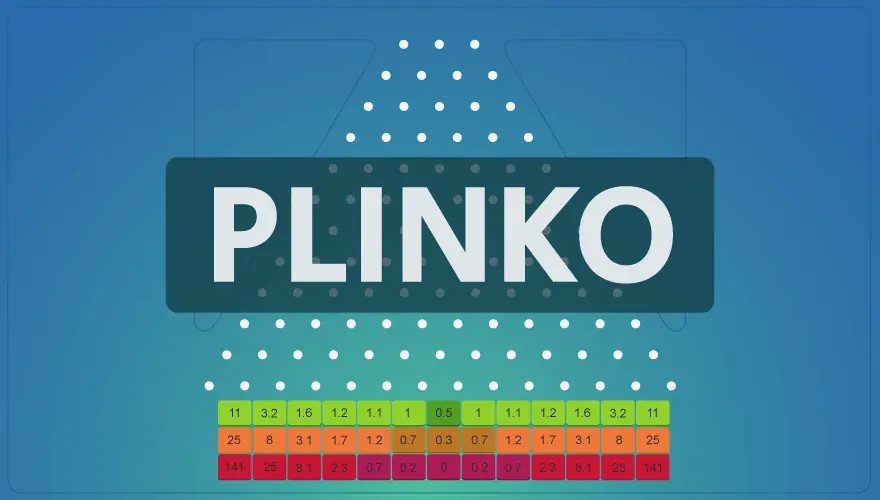
Plinko is a ball-drop casino game built around random pathing and fixed multiplier zones. You choose a bet, select a risk profile in most versions, sometimes adjust the number of rows, and release the ball. As it falls through the peg grid, each collision pushes it left or right until it reaches one of the payout slots at the bottom of the board. Players who value quick withdrawals will find real timings in Platinum Play Casino coupons review. Anyone stuck on account verification can follow the steps laid out in Platinum Play Casino blackjack.
The reason players notice Plinko so quickly is not just because it is visually clean. It is because the entire result feels visible while still being uncontrollable. In a slot, the outcome is hidden inside reels, symbols, and animation sequencing. In Plinko, the whole event unfolds in front of you. You can watch every bounce, every near miss, every drift toward a high multiplier that turns into a mid-range result at the last second.
That creates a very specific kind of engagement. The interface looks almost toy-like, but the emotional response can be sharper than in many reel-based titles. One of the most memorable things about Plinko is that it often makes a small result feel dramatic and a dramatic result feel one peg away from happening again. That is a powerful loop, and it explains why the format has become so visible across modern casino platforms.
On Platinum play casino, this kind of game can appeal to players who want immediate clarity. There are no paylines to decode, no bonus symbols to wait for, and no need to learn a long paytable. You understand the premise at once. The deeper part is not learning the rules. The deeper part is learning how the risk model affects your session.
How the Plinko board actually works in practice
The core mechanic is straightforward: the ball drops from the top and collides with pegs arranged in staggered rows. At each peg, it is redirected left or right. By the time it reaches the bottom, it lands in one of several slots, each tied to a multiplier. Lower multipliers are usually concentrated near the center, while the largest values tend to sit at the far edges.
That layout is important. The center of the board is statistically easier to reach because there are more path combinations that lead there. The edges are harder to hit because the ball needs a more unusual sequence of directional shifts. This is why the biggest multipliers are placed where they are. They are not simply “bonus zones”; they reflect lower probability.
In practical terms, the game is built around a distribution curve. Many drops will cluster around modest returns or small losses, while extreme multipliers appear rarely. This is where some players misread the format. Because the board is visible, they assume they are seeing a more intuitive or more beatable system. In reality, the visible board does not reduce randomness. It just gives randomness a shape you can watch.
| Element | What it does | Why it matters to the player |
|---|---|---|
| Peg grid | Changes the ball’s direction on each contact | Creates the random path that determines the final slot |
| Bottom multipliers | Set the payout level for each landing position | Define whether the drop returns less than, equal to, or more than the stake |
| Risk setting | Changes the multiplier spread across the board | Directly affects session volatility and hit profile |
| Rows | Adjust the depth of the board in many versions | Influences path complexity and payout distribution |
One useful observation here: Plinko often feels “fairer” to players because they can see the route. But visibility is not the same as control. The ball can appear to be heading toward a premium edge slot and still bounce inward at the final peg. That last movement is where much of the tension lives.
Risk levels, rows, and the real logic behind session dynamics
Most Plinko versions on modern platforms offer at least a few configurable settings. The most important is the risk level, usually labeled low, medium, or high. Some versions also let the player choose the number of rows. These are not cosmetic options. They fundamentally change how the session behaves.
At low risk, multiplier values are compressed. You will usually see a flatter board with fewer dramatic extremes. This tends to produce more frequent modest returns and fewer severe swings. It can still be a losing session over time, of course, but the ride is usually smoother.
At medium risk, the board opens up. The center still catches many results, but the outer slots begin to offer more meaningful upside. This setting often feels like the most balanced version for players who want some tension without turning every sequence into a hunt for rare edge hits.
At high risk, the board becomes much harsher. More of the likely landing zones may return very little, while the outermost slots carry the kind of multipliers that attract attention. This is where Plinko can become deceptively expensive. The interface still looks clean and harmless, but the payout structure now demands more patience, stronger bankroll discipline, and a realistic acceptance that many drops may underperform before a big result appears at all.
- Low risk: better for steadier play, lower extremes, less emotional whiplash.
- Medium risk: a middle ground between frequency and upside.
- High risk: wider swings, rarer premium outcomes, sharper bankroll pressure.
If row selection is available, that can further change the feel of the board. More rows usually mean more bounce points and a broader separation between common and rare landing zones. In plain terms, a deeper board can make the path look more dramatic and can increase the distinction between ordinary returns and standout multipliers.
This is one of the reasons Plinko deserves more analysis than it usually gets. It is not just “drop ball, get result.” It is a configurable probability model. Two players can use the same game and have completely different experiences simply because one chose low risk with modest stakes and the other selected a high-risk setup chasing rare edge landings.
Why the game feels exciting even when the rules are simple
The appeal of Plinko comes from a mix of speed, visibility, and suspense. Unlike a slot, where anticipation is often created through reel slowdown, sound design, and feature buildup, Plinko creates tension through trajectory. The result is technically random, but the path makes the randomness feel active rather than hidden.
That difference matters in a live session. A slot can feel repetitive if you are waiting for a bonus round that refuses to trigger. Plinko rarely has that kind of downtime. Every drop is the full event. The beginning, middle, and end happen in seconds, and the visual route gives each attempt its own miniature story.
Another reason it holds attention is that it compresses cause and effect. You place a stake, you watch the ball move, and you see the multiplier immediately. There is no need to track symbol combinations, side meters, wild substitutions, or free spin conditions. For some players, that clarity is refreshing. For others, it may eventually feel too stripped back.
A detail I find especially interesting is this: in Plinko, near misses are unusually visible. When the ball clips away from a high-value edge at the final moment, the disappointment feels specific, not abstract. That can make the game more gripping than its simple layout suggests. It can also make it easier to keep chasing the feeling that the next drop might finish the path that the last one almost completed.
How risky Plinko really is and who should treat it carefully
Plinko can be low-intensity or highly aggressive depending on configuration, but it is never a game to approach casually just because the interface looks clean. The main source of risk is not complexity. It is pace combined with variance.
A fast game with short rounds allows many bets in a short period. If a player increases the stake while also selecting a high-risk board, the bankroll can move much faster than expected. This is especially true because Plinko does not interrupt the rhythm with long feature sequences. There is very little friction between one result and the next.
That means the game suits some player types better than others:
- It can suit players who like direct outcomes and understand bankroll pacing.
- It can suit players who prefer probability-based formats over story-driven slot sessions.
- It may not suit players who need frequent feature variety to stay engaged.
- It may not suit players who react emotionally to near misses or who chase high multipliers too quickly.
In practical terms, the biggest mistake I see with Plinko is underestimating how different low and high risk really are. On paper, changing one setting looks minor. In reality, it can completely alter the session profile. A player expecting a steady stream of moderate returns can be surprised by how quickly a high-risk board turns into a sequence of weak landings.
Probabilities, expected patterns, and what a player should not misread
It is important to understand that Plinko is not a prediction game. Watching previous drops does not reveal a pattern you can exploit. The board may create the illusion that the ball is “due” to reach an edge multiplier after repeatedly landing near the center, but that is a classic trap in random games.
What you can understand, however, is the shape of expected results. Most versions are designed so that common outcomes sit in the middle and rare outcomes sit at the extremes. That means:
- You should expect many ordinary results compared with premium hits.
- You should not judge the game by a short streak of lucky or unlucky drops.
- You should choose stake size based on the possibility of extended dry sequences, especially on high risk.
If a demo mode is available on the Plinko page at Platinum play casino, it is worth using briefly, not because demo predicts real-money results, but because it helps you understand rhythm. You can see how quickly rounds pass, how often the board lands in central zones, and whether the format feels engaging or too repetitive for your style.
Here is a practical truth that often gets lost: Plinko is simple to learn, but not always simple to budget for. The learning curve is short. The discipline curve is not.
| Player assumption | What actually happens in practice |
|---|---|
| Visible movement means more control | The route is visible, but the outcome is still random |
| Near-edge results suggest a big hit is close | Near misses do not increase the chance of the next edge landing |
| Simple rules mean low intensity | Fast pacing can make sessions intense very quickly |
| Changing risk is a minor adjustment | Risk level can fundamentally reshape return distribution |
How Plinko differs from slots and other common casino formats
The clearest difference between Plinko and classic slots is structural. Slots are built around reels, symbol mapping, paylines or ways systems, and often layered bonus features. Plinko strips all of that away. It does not ask the player to decode combinations. It asks the player to choose a setup and accept the distribution that comes with it.
Compared with Platinum Play Casino roulette review before depositing real money, Plinko feels more visual and kinetic. Compared with blackjack, it offers no strategic decision-making once the drop begins. Compared with crash-style products, it removes the timing decision and replaces it with path-based suspense. Each format has its own appeal, but Plinko sits in a niche where immediacy and visible randomness are the main draw.
That is why I would not recommend Plinko to everyone who enjoys slots. A slot player who loves bonus hunts, expanding symbols, cascading reels, or long-form session variety may find Plinko too narrow after a while. On the other hand, a player tired of overdesigned interfaces may appreciate how direct it feels.
There is also a psychological difference. Slots often hide variance inside a longer sequence of spins. Plinko shows the tension in one compact event. You do not wait for the game to become exciting. The excitement, if it happens, is built into the drop itself.
Practical strengths and weak points of the format
No casino game is strong in every area, and Plinko is no exception. Its advantages are real, but so are its limitations.
- Strength: immediate clarity. New players understand the premise almost instantly.
- Strength: fast feedback. Every drop resolves quickly, which keeps the session moving.
- Strength: visible probability in action. The route helps players feel connected to the result.
- Weak point: high repetition. Without reel features or evolving rounds, some players may lose interest.
- Weak point: easy to overspeed. The short cycle can lead to more bets than planned.
- Weak point: high-risk settings can distort expectations if the player focuses only on top multipliers.
One of the most useful ways to judge Plinko is to ask whether you value clarity more than variety. If clarity matters more, this format can be very effective. If variety matters more, the game may eventually feel one-dimensional despite its tension.
I would add one more observation that separates Plinko from many standard casino products: it often creates stronger emotional reactions from smaller stakes. Because the path is visible and the outcome unfolds in front of you, even a modest bet can feel surprisingly dramatic. That can be entertaining, but it can also make bankroll decisions feel less rational in the moment.
What to check before launching Plinko at Platinum play casino
Before playing Platinum play casino Plinko, I would focus on the settings and session plan rather than the surface presentation. The game is not difficult to understand, so the key preparation is about pacing and expectation. For a closer look at the games library, Platinum Play Casino Aviator crash game guide sorts the titles by theme and pace.
Here is what I would check first:
- Risk level: decide whether you want steadier returns or a more aggressive multiplier spread.
- Stake size: set it with session length in mind, not just single-drop excitement.
- Rows, if available: understand that a deeper board can change the feel and distribution of outcomes.
- Autoplay or rapid repetition tools: use carefully, because they can accelerate spending without much pause for reflection.
If the page uses the alternative brand styling Platinumplay casino in some sections, the core point remains the same: treat Plinko as a focused probability game, not as a decorative side option. Its design is minimal, but its session behavior can be sharp, especially when the risk profile is pushed upward.
For New Zealand players in particular, the practical question is not whether the game looks accessible. It does. The practical question is whether the format matches your playing style. If you want concise rounds, visible outcomes, and a direct relationship between setup and session mood, Plinko can make sense. If you want layered features and broader gameplay texture, another format may fit better.
Final verdict
Plinko at Platinum play casino offers something very specific: a stripped-down casino experience built on visible randomness, fast resolution, and adjustable session intensity. Its biggest strength is clarity. You know what is happening, you see the route unfold, and you immediately understand how the board pays. That makes it approachable without making it trivial. Mobile players should have a look at Platinum Play Casino legality before making a deposit before installing anything.
The game becomes genuinely interesting when you look past the simple interface. Risk settings, row depth, and payout distribution shape the entire experience. Low-risk play can feel measured and steady by comparison, while high-risk play can become sharp, swing-heavy, and expensive much faster than some players expect. That is where caution matters.
I would recommend Plinko to players who enjoy concise rounds, transparent mechanics, and probability-driven tension. I would be less likely to recommend it to players who want deep feature variety, strategic input during each round, or the layered pacing of classic slots. In other words, Plinko is not a universal fit, but it does its own job very well.
The most honest conclusion is this: Plinko looks simple because it is simple to enter. It is not always simple to manage. If you approach it with realistic expectations, sensible stakes, and a clear understanding of how risk levels change the session, it can be one of the more sharply designed casino formats on the page. If you chase only the headline multipliers, the same simplicity can turn against you very quickly.
FAQ
What is the goal in Plinko rounds?
A ball is released and lands into a multiplier zone at the bottom.
When switching from the Plinko game on a computer to a mobile casino app, what changes?
The layout adapts to touch controls, but the core ball drop and multiplier zones stay the same. Mobile play typically works best in portrait orientation, and it is important to confirm the bet field is visible before launching the ball. A stable connection helps keep the animation smooth.
What risk level should be expected from Plinko multipliers?
Plinko multipliers reflect higher variability compared with lower-volatility casino games. Short bursts of larger multipliers can occur, but outcomes may also cluster around smaller zones. Keeping a realistic session limit helps manage the risk.
Which limits can affect Plinko betting before a ball is launched?
Table or stake limits can be set for the game session, which may restrict the minimum and maximum bet. Bank limits tied to the cashier settings can also influence what is available for wagering. If the bet field refuses to accept a value, check these limits and adjust within the allowed range.
What happens if a withdrawal is requested while actively playing Plinko?
Withdrawal requests are processed through the cashier area, but active wagering requirements from bonuses may affect when funds become available. The account status can show whether the bonus conditions are still running. Reviewing the latest status in the cashier and bonus sections helps avoid surprises.
How do Plinko rules differ from other casino games in the lobby?
Plinko focuses on one mechanic: ball drops into multiplier zones, with each drop resolving immediately after landing. Games like live roulette or blackjack involve continuous decision-making, while Plinko is built around selecting a bet and watching the trajectory. That difference changes how risk and volatility feel during a session.
What security and verification checks apply before cashing out winnings from Plinko?
Verification is typically required before withdrawals to protect account access and payment processing. Prepare identity details and keep them consistent with the account registration. If verification is pending, the cashier may restrict withdrawals until checks are complete.
A common beginner mistake with Plinko is starting a drop too fast—what should be checked first?
Confirm the selected bet, the intended game mode, and that the next ball drop is triggered only once. Avoid changing settings while the ball is in motion, since the round resolves with the bet used at launch. Also watch the multiplier display after each drop to track how the result is calculated.